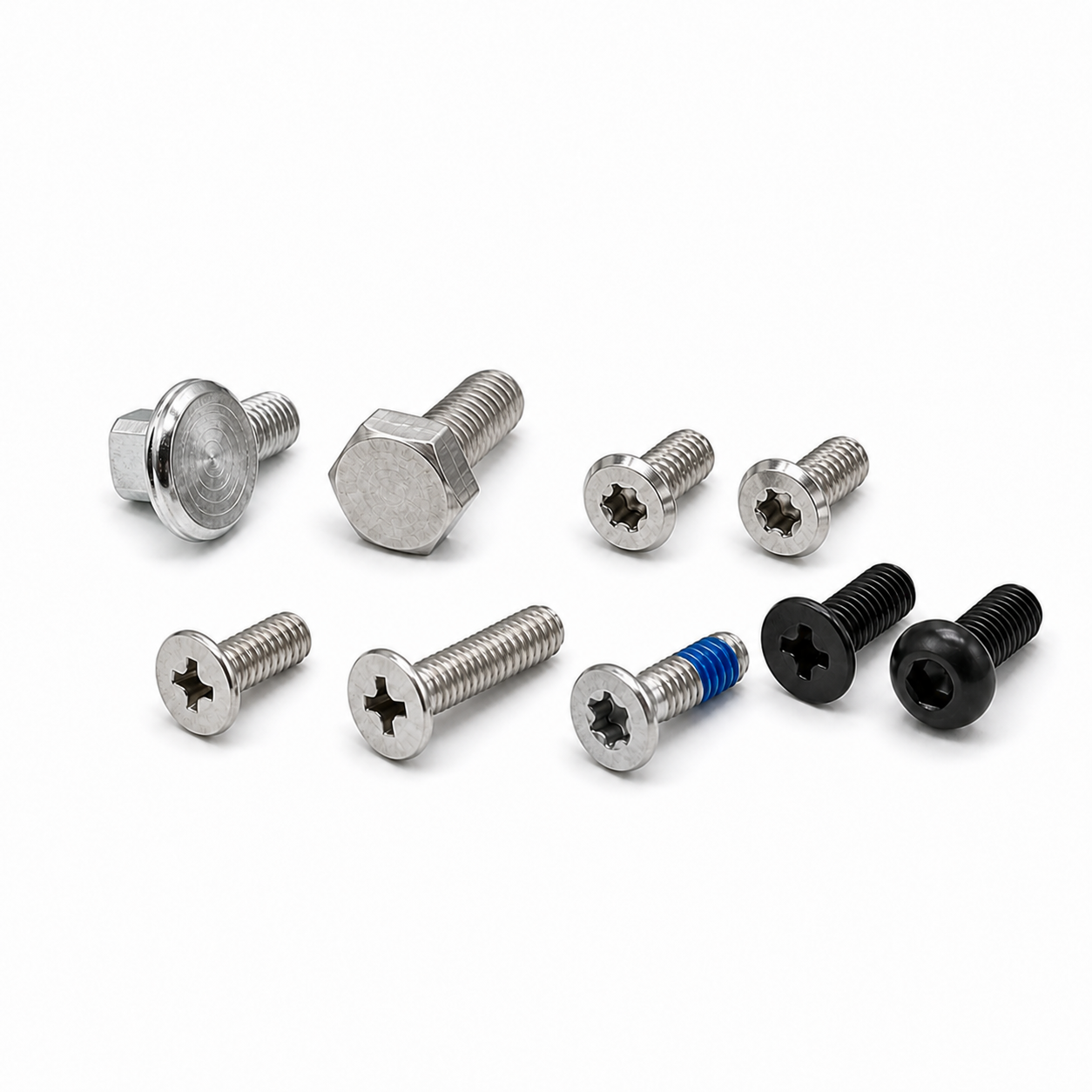
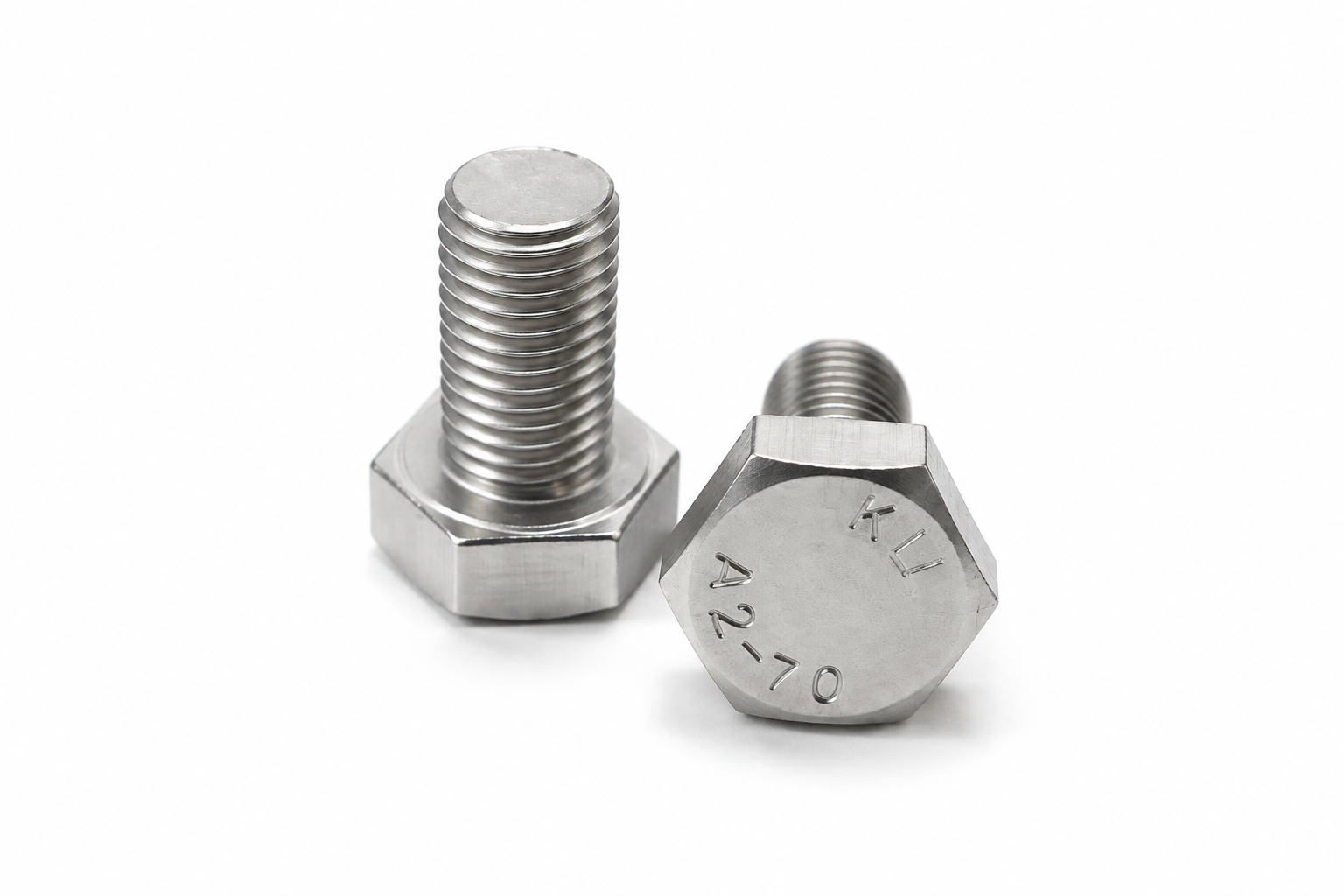
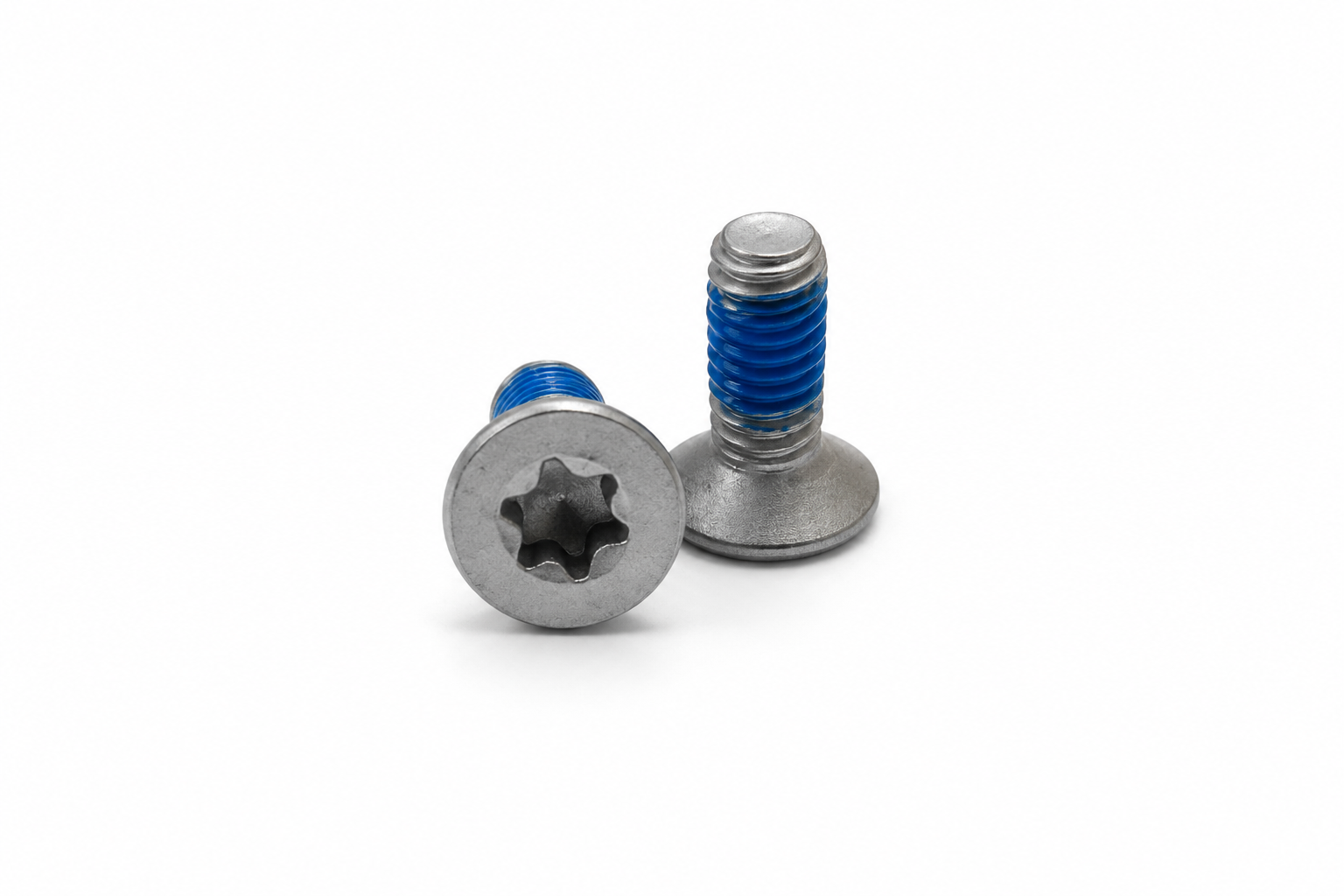
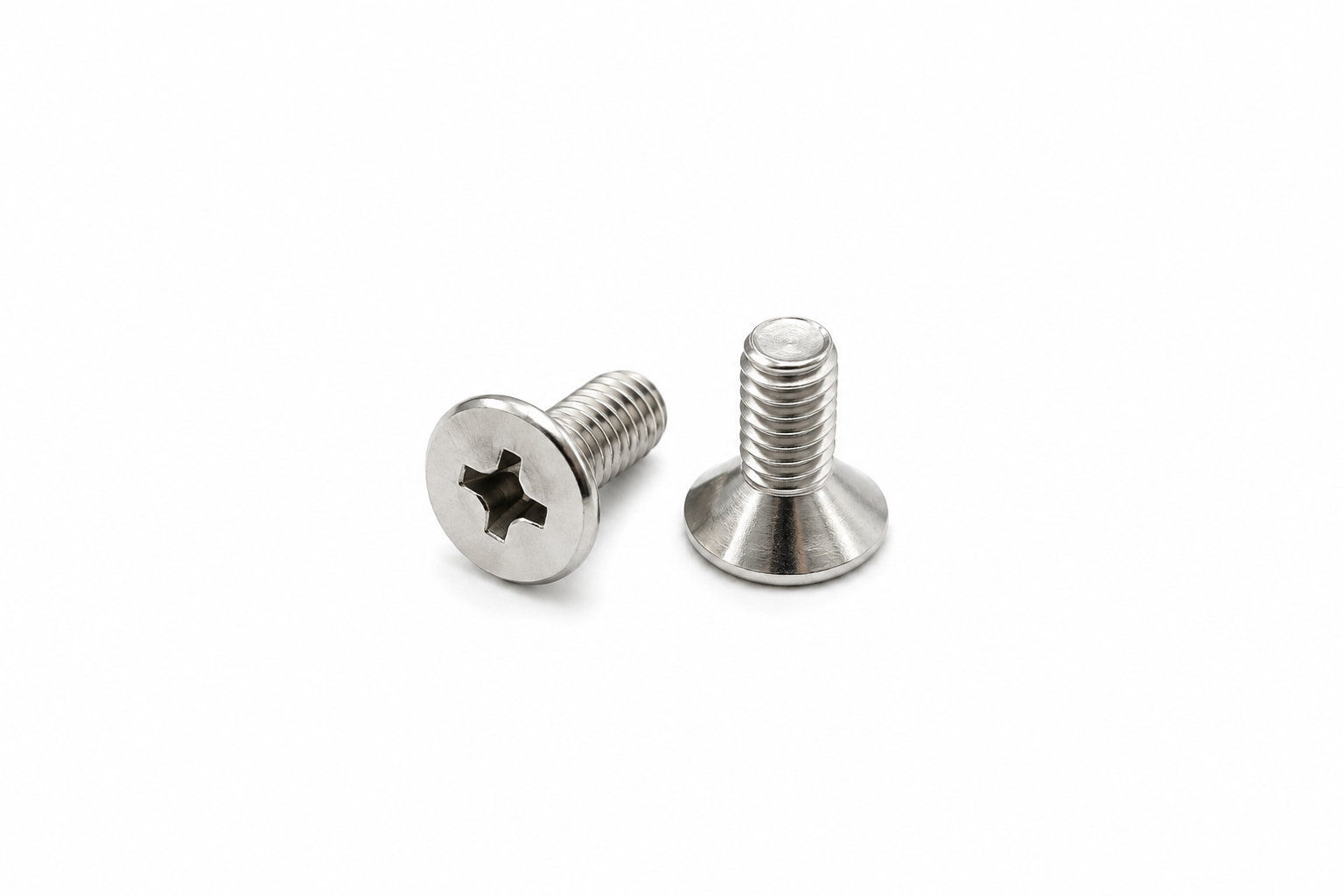
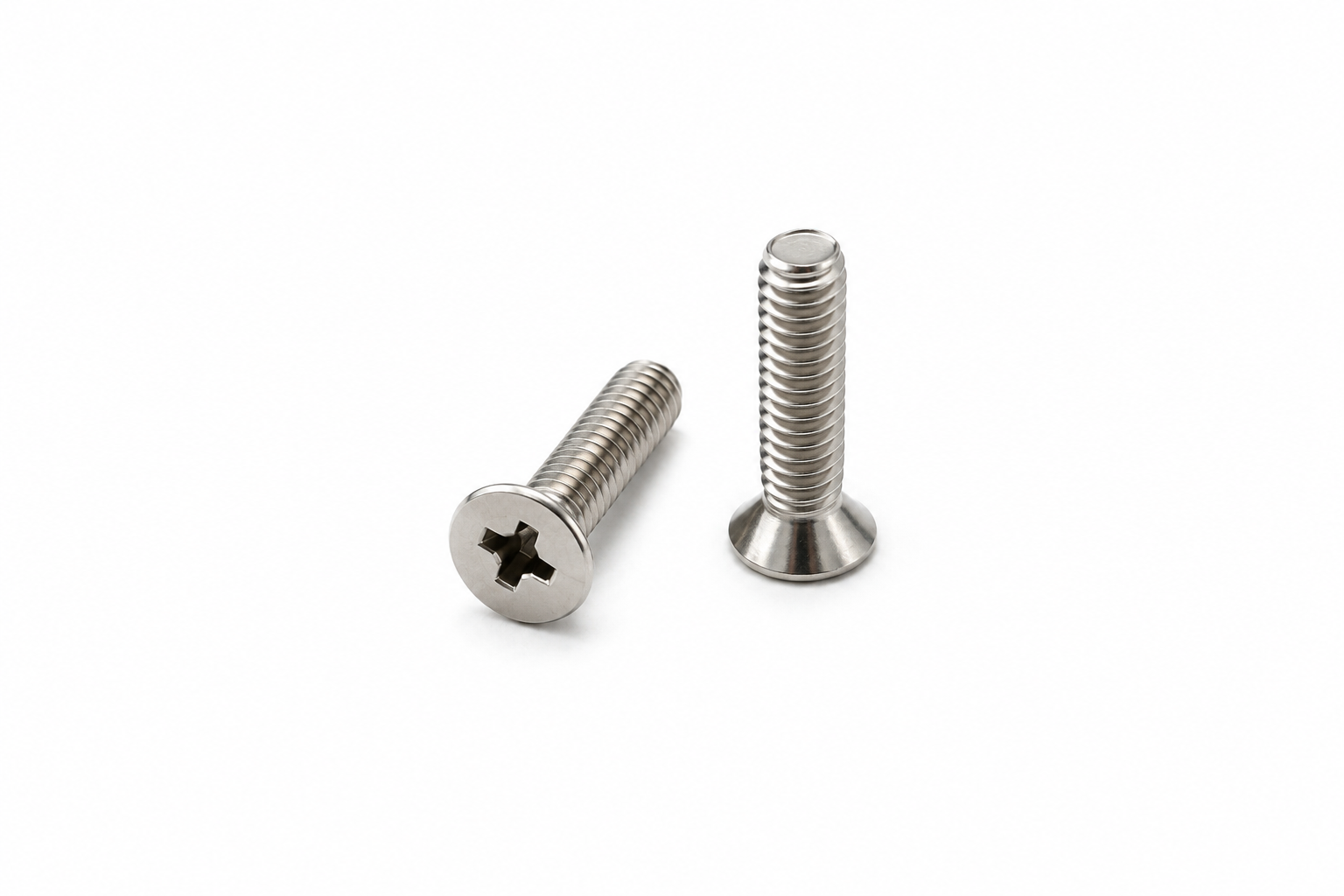
Covering compact hex-head, round-head square-neck, countersunk, button-head, and flanged bolts and screws with external hex, cross-recess, hexagon-socket, or hexalobular-socket drives for mechanical fastening, flush installation, and space-limited assemblies.
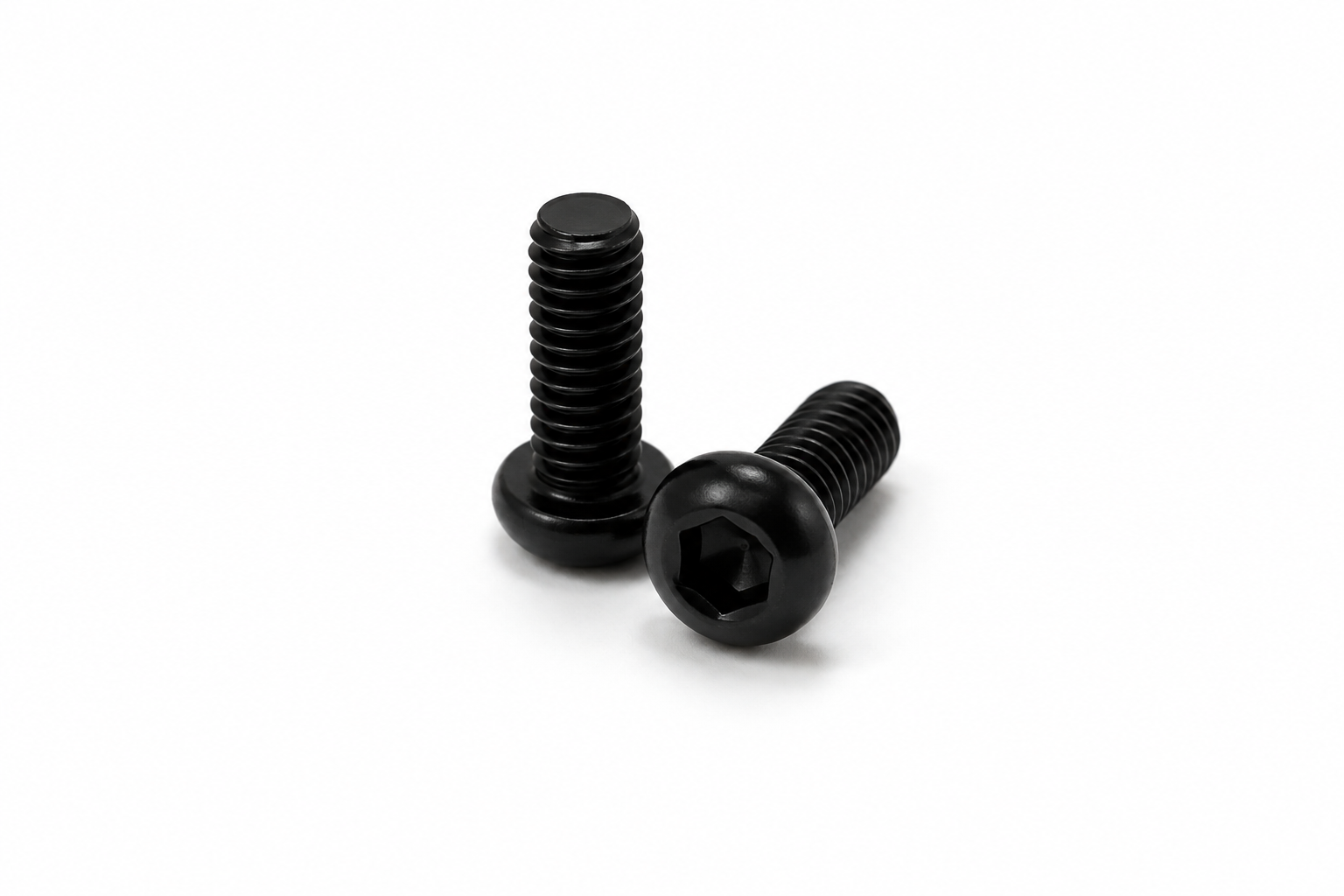
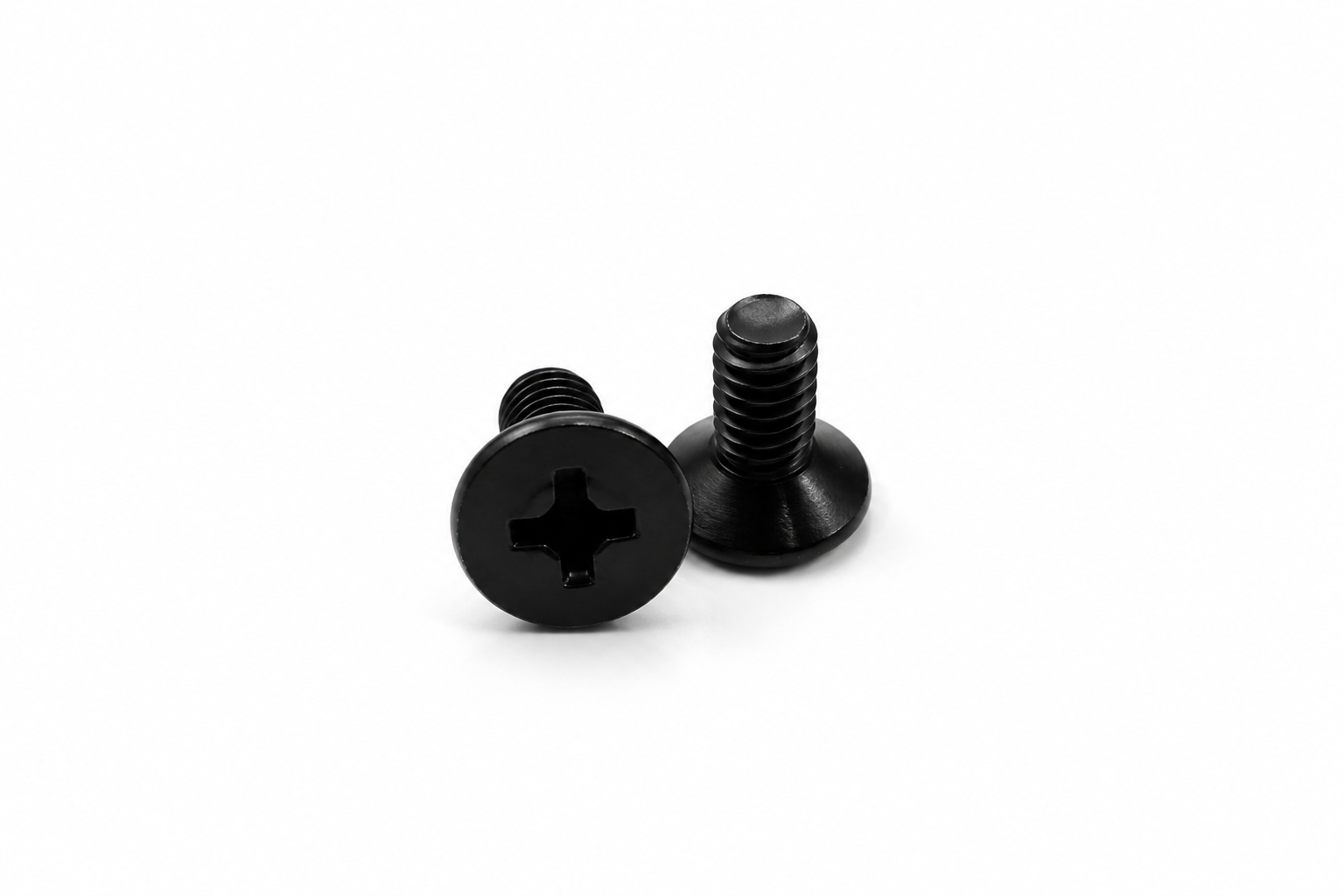
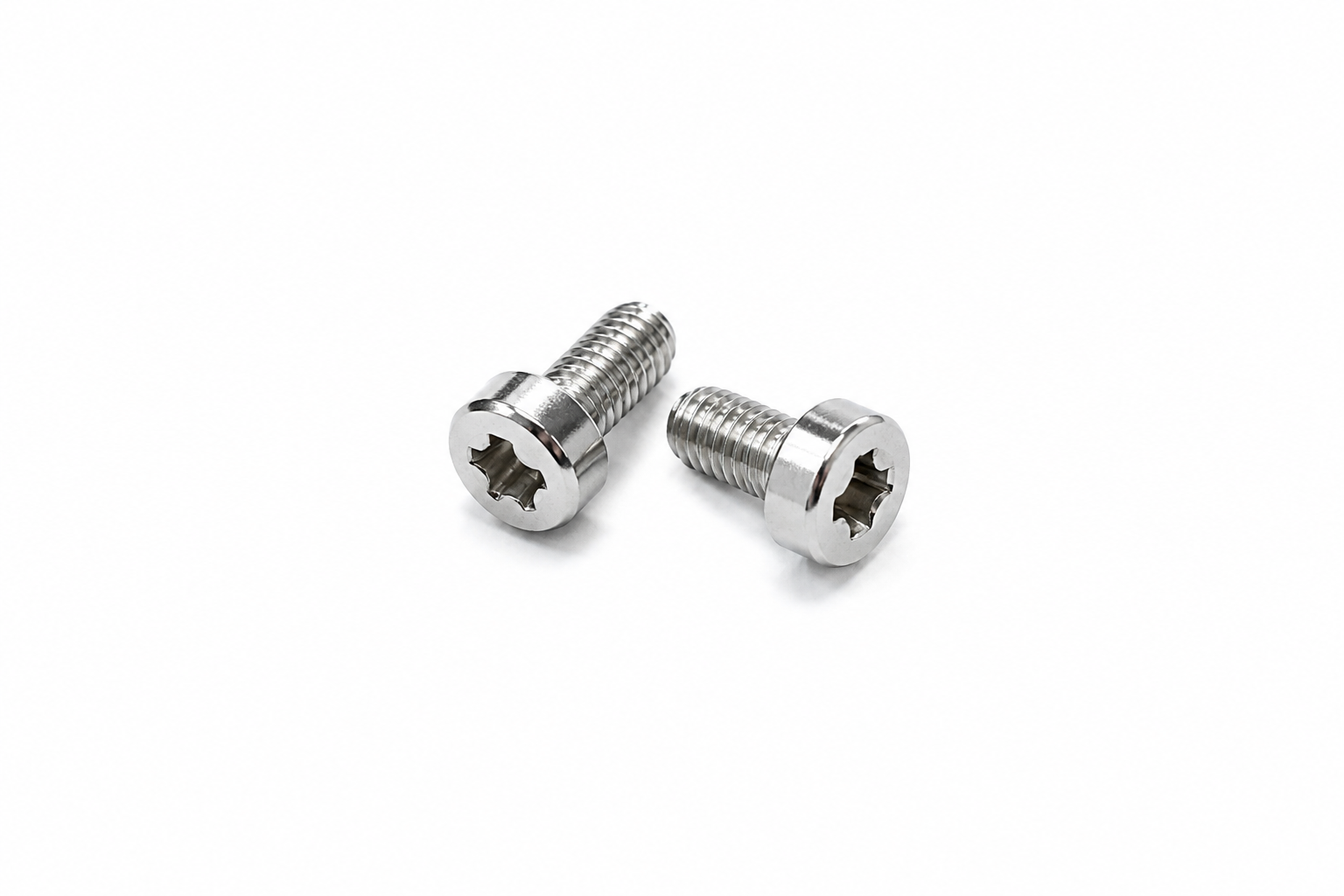
This range includes round-head square-neck bolts, standard hex-head bolts, special-drive flanged screws, black cross-recess countersunk screws, black hexagon-socket button-head screws, and silver countersunk screws in different head styles and lengths. Hex heads allow installation torque to be applied using a wrench or socket. The square neck beneath a round head can engage the mounting hole to help restrict rotation. Countersunk screws allow the head to sit close to or below the workpiece surface, while button and flanged heads provide different bearing areas and installation-clearance options. Each recess type should be installed with the corresponding drive tool. Some products have a localized blue pre-applied patch; its locking, sealing, or other function must be confirmed according to the order and technical documentation.
Product types include hex-head bolts, round-head square-neck bolts, countersunk screws, button-head screws, and flanged screws.
Drive options include external hex, cross recess, hexagon socket, and hexalobular socket.
Head diameter, head height, and drive configuration can be selected according to the available assembly space.
Thread specifications include nominal diameter, pitch, thread system, direction, and effective engagement length.
Key dimensions include overall length, thread length, head diameter, head height, and width across flats.
Round-head square-neck products require confirmation of square-neck width, height, and mating-hole configuration.
Countersunk screws require confirmation of head angle, head diameter, and mating countersink dimensions.
Flanged heads provide an enlarged contact area between the head and the workpiece.
Material, coverage position, and specific performance of the blue pre-applied patch must be confirmed according to the order.
Material, property class, hardness, surface finish, and inspection requirements should follow the drawing or purchase specification.
Installation torque and preload should be determined according to thread size, material, and joint design.
Non-standard dimensions, head styles, drive types, and thread configurations can be evaluated according to drawings or samples.
Application areas: Machinery assembly / Automotive and motorcycle components / Electronic equipment housings / Industrial cabinets and control panels / Automation equipment / Furniture and hardware joints / Fixtures and tooling / Instruments and equipment / Custom industrial components